











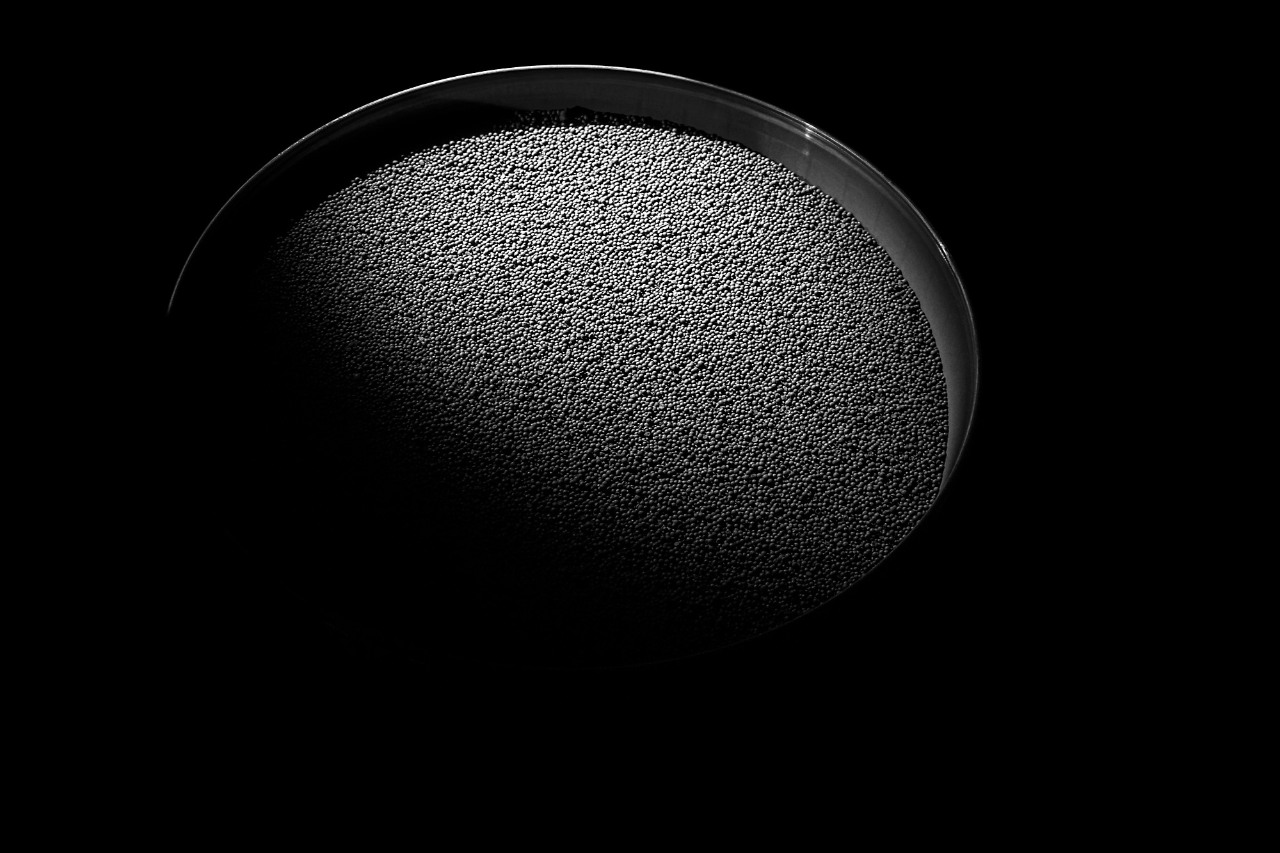
The wide offer of the ORLEN Group includes raw materials necessary for the production of a wide range of everyday objects. Our offer includes acetone, ethylene oxide, masterbatch, advanced technical carbon black Chezacarb, caprolactam, soda lye and sodium hypochlorite.
| Product name | ||||||
|---|---|---|---|---|---|---|
| Ammonia | More | |||||
| Ammonia liquor technical | More | |||||
| Chezacarb | More | |||||
| C4 fraction | More | |||||
| C10 fraction | More | |||||
| Dicyclopentadiene (DCPD) | More | |||||
| Distilled glycerine |
More | |||||
| Liquid sulphur | More | |||||
| Liquified ethylene oxide | More | |||||
| Liquified nitrogen | More | |||||
| Liquified oxygen | More | |||||
| Masterbatches | More | |||||
| Potassium sulphate | More | |||||
| Soda Lye NaOH |
More | |||||
| Sodium chloride | More | |||||
| Sodium hypochlorite | More | |||||
| Sulphuric acid | More | |||||
| Technical-grade hydrochloric acid | More | |||||
| Technical-grade nitric acid | More |
ORLEN Discover the Chemicals