









ORLEN certified for biofuel component production at Płock refinery
ORLEN has secured certification under the Oil and Gas Institute’s KZR INiG sustainability scheme for the co-hydrotreatment of bio-based feedstocks at its Płock refinery. The certification confirms that the renewable feedstocks used by the Company and their processing comply with the European Union’s requirements. This enables ORLEN to expand the production of biofuel components and count them towards the EU’s renewable energy targets for transport. The Company currently has the capacity to process approximately 100,000 tonnes of bio-based feedstocks annually, with planned upgrades set to increase this to around 150,000 tonnes.
‘The KZR INiG certification confirms ORLEN’s readiness to further expand the production of biofuel components from renewable feedstocks. By using our existing refinery units, we can increase the share of renewable components in fuels while preparing to meet the requirements of the RED III Directive. This is an important part of the energy transition and of developing a domestic feedstock base for the biofuels sector,’ said Grzegorz Jóźwiak, Executive Director for Biofuels and Hydrogen at ORLEN.
KZR INiG is a certification scheme recognised by the European Commission. It verifies the origin of renewable feedstocks and confirms that the production process meets the applicable EU requirements. The certification allows ORLEN to further develop co-hydrotreatment, whereby bio-based feedstocks are processed alongside conventional fossil streams within existing refinery units. As a result, the renewable content of fuels can be increased without the need to build new production units.
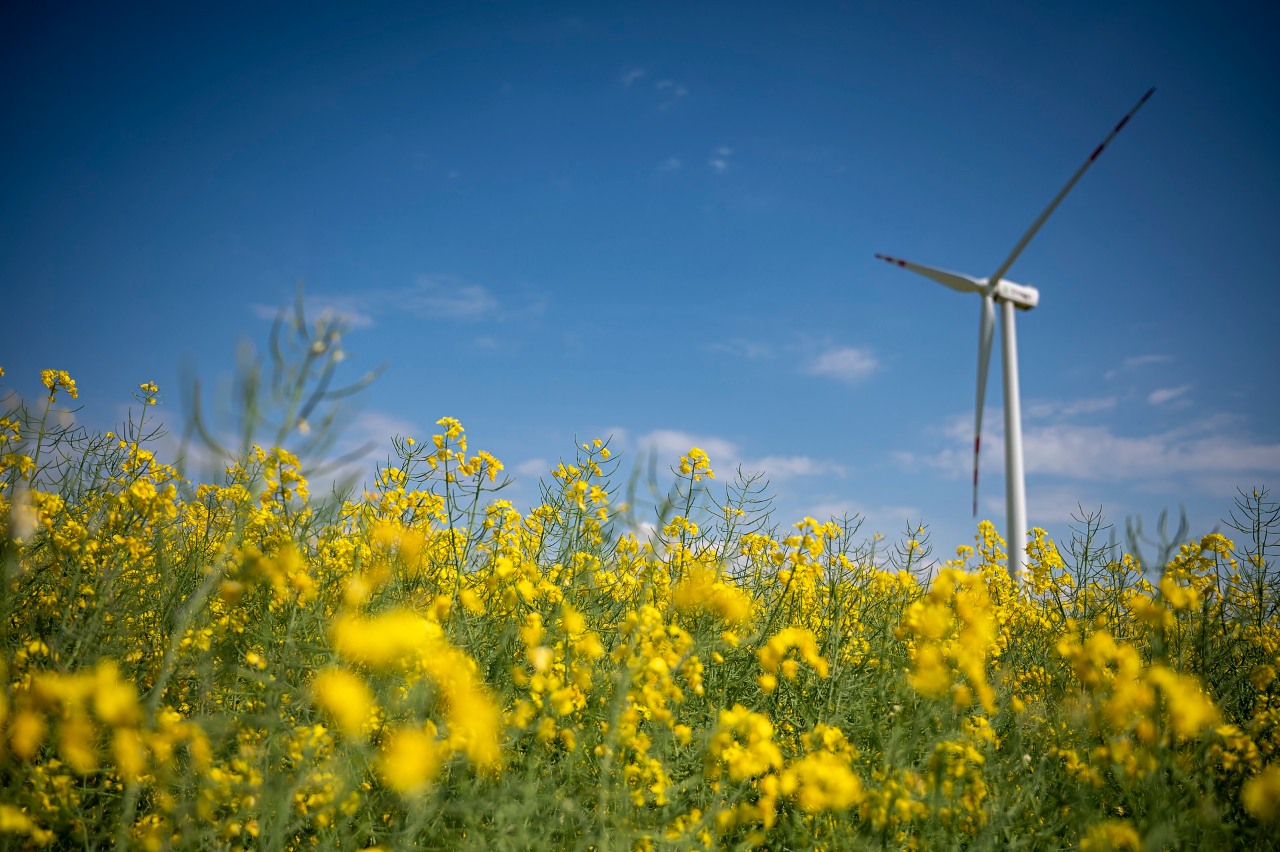
ORLEN can currently operate the process with bio-based materials accounting for up to 3.5% of the feed, equivalent to approximately 100,000 tonnes of renewable feedstocks per year. These may include vegetable oils, such as rapeseed oil, as well as used cooking oil (UCO). The Company also plans to extend the certification to cover additional oilseed crops, including camelina and mustard.
In July 2026, ORLEN conducted tests at the Płock refinery aiming to increase the share of vegetable oil in the process from 3.5% to 5%. The results confirmed the potential to scale up the technology. Following the necessary upgrades, the refinery’s capacity to process renewable feedstocks is expected to rise to approximately 150,000 tonnes per year.
ORLEN’s initiatives form part of the Group’s preparations to implement the RED III Directive and its ‘Biocrops for Biofuels’ programme. The programme is designed to expand the domestic feedstock base for biofuels. Run in partnership with research institutions and agricultural partners, it includes, among other initiatives, the cultivation of camelina and mustard.
The further development of co-hydrotreatment, ORLEN’s production capacity and domestic feedstock supply is intended to support a growing share of renewable components in fuels. These initiatives will also help strengthen the security of Poland’s feedstock supply while opening up new opportunities for Polish agriculture and the biofuels industry.

