






ORLEN accelerates its LNG expansion: more deliveries, stronger fleet and growing import capacity
2025 was a record-breaking year for the LNG segment in Poland. Shipments of liquefied natural gas received by the ORLEN Group at the Świnoujście terminal amounted to 81 – up by 20 compared with the previous year. The total volume of seaborne LNG imports reached almost 6 million tonnes, representing an increase of 30% year on year.

“Once again, we’re demonstrating that energy security is one of the cornerstones of of our strategic approach. Last year was exceptional for ORLEN’s LNG business. We set a new record in deliveries received at the Świnoujście terminal and significantly increased the use of our own carrier fleet to transport LNG to Poland. Our priority is to secure reliable supplies for customers at home and abroad. Thanks to our LNG market expertise and strong cooperation with partners, we are able to respond effectively to customer needs, strengthening energy stability across the region and reinforcing ORLEN’s position as a key gas market player in Central and Eastern Europe,” says Ireneusz Fąfara, CEO and President of the Management Board of ORLEN.
The increase in the number of LNG deliveries to Świnoujście was made possible by the expansion of the terminal, completed towards the end of 2024. As a result, its annual regasification capacity rose from 6.2 billion to 8.3 billion cubic metres. Despite this substantial increase, utilisation of the Świnoujście terminal remained close to 100%, giving it the highest utilisation rate among European LNG terminals.
The majority of LNG deliveries to Świnoujście originated from the United States – 62 cargoes in 2025. Qatar accounted for 17 shipments, with individual deliveries sourced also from Trinidad and Tobago and from Senegal. Most LNG volumes were supplied under long-term contracts, supplemented by spot market purchases, which accounted for more than a third of the LNG volume delivered in 2025. This sourcing model enhances flexibility and helps mitigate supply-side risks in the global LNG market. In addition to the near-full utilisation of domestic regasification capacity, LNG delivered by ORLEN last year was also exported for the first time to destinations including Japan, Turkey, the United Kingdom and Egypt.
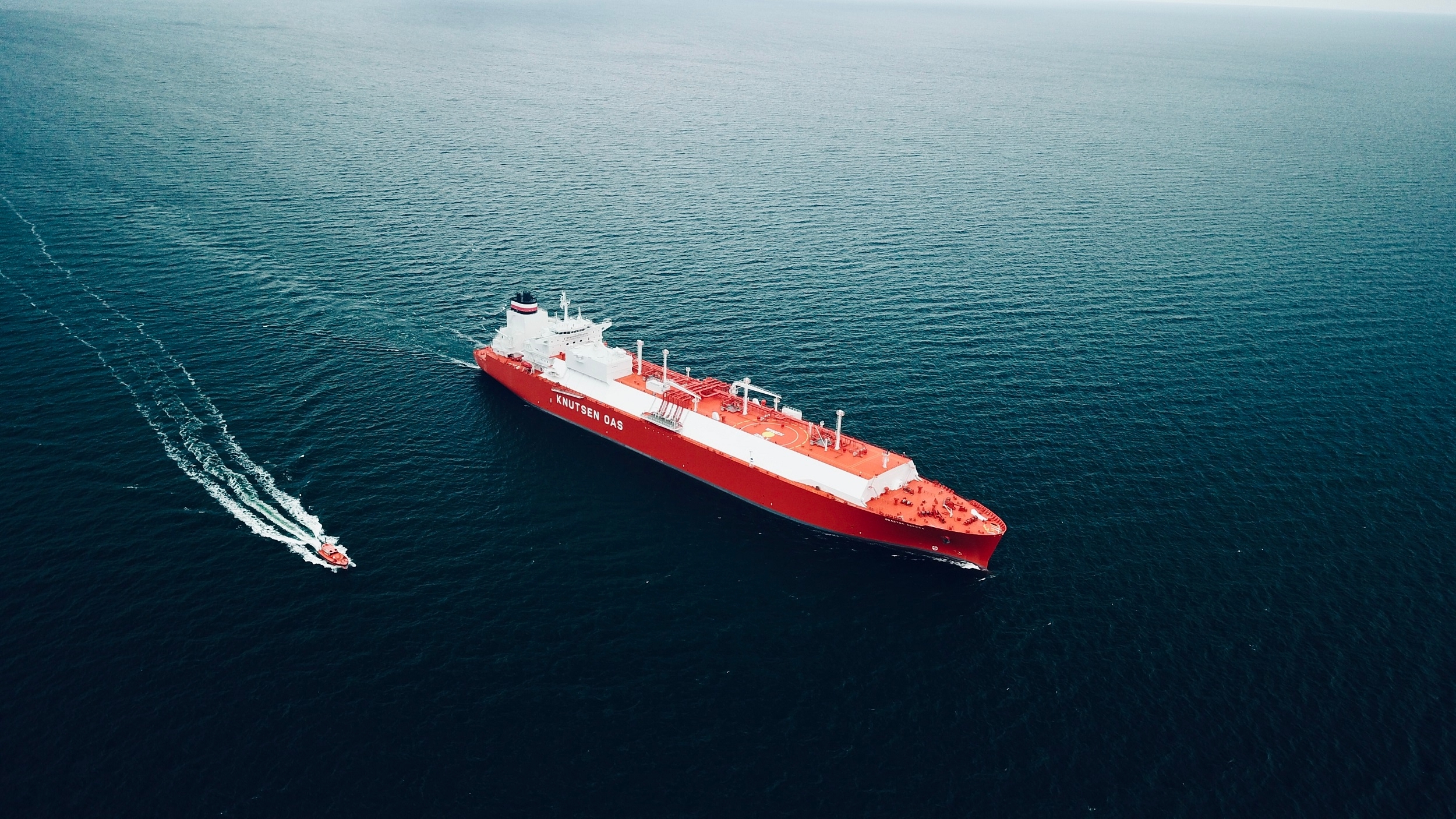
The role of ORLEN’s own LNG carrier fleet in supplying gas to Poland also increased significantly. In 2025, ORLEN vessels handled 12 deliveries to Świnoujście, with a total volume of approximately 782 thousand tonnes of LNG, compared with 2 deliveries and around 140 thousand tonnes of liquefied gas a year earlier. The fleet was expanded with the addition of two new LNG carriers – Józef Piłsudski and Ignacy Jan Paderewski – the most technologically advanced vessels of their kind worldwide, built by Hyundai Heavy Industries. The vessels entered service in March 2025, substantially strengthening ORLEN’s operational capabilities. The Group’s fleet currently comprises six vessels and will be expanded by a further two in 2026.
ORLEN’s LNG import capabilities will increase further with the completion of Poland’s second LNG terminal – the Floating Storage Regasification Unit (FSRU) in the Gulf of Gdańsk. The terminal’s full regasification capacity of 6.1 billion cubic metres per year has already been reserved by the ORLEN Group. Once the FSRU is commissioned, the total capacity of Poland’s LNG infrastructure will rise to approximately 14 billion cubic metres per year, strengthening Poland’s energy security and ORLEN’s regional position. Already, the Group uses the Świnoujście terminal to import gas that is subsequently exported to Ukraine. Last year, ORLEN supplied Ukrainian customers with more than 700 million cubic metres of gas, most of which delivered via the Polish LNG terminal.
The development of ORLEN’s own fleet and progressive expansion of LNG import capacity form an integral part of the ORLEN 2035 Strategy. These initiatives support Poland’s energy security, enhance the Group’s competitive power and prepare the gas system to meet the growing needs of the economy over the years ahead.
Press materials: